You Can’t Improve What You Can’t See
By Oreoluwa Adebayo,
Our story didn’t begin with a big office, massive funding, or a viral product launch. It started with a question: How can we make collecting data across Nigeria faster, easier, and more reliably, even in the most hard-to-reach places?
The answer came during our first major project, right in the heart of Lagos.
The Call That Changed Everything
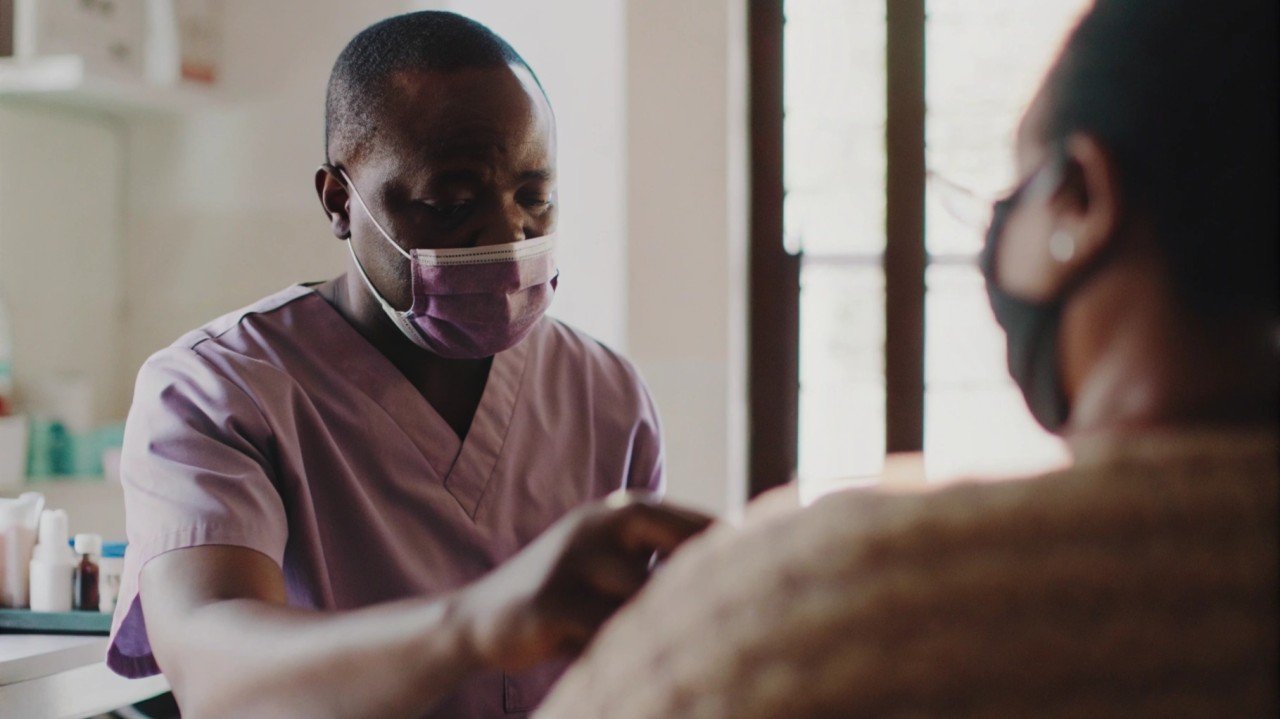
We were already deep into another field data project when a new request came in: enumerate HIV service delivery centers across Lagos State. That meant physically identifying clinics, reviewing their facilities, documenting their services, and understanding their capacity to serve people living with HIV.
The project was for the Lagos State Ministry of Health, a client that urgently needed visibility into HIV services across a sprawling, complex city. Lagos is massive, home to over 20 million people, with neighborhoods and infrastructure that shift wildly from one LGA to the next. The challenge wasn’t just about getting the data. It was about getting it right and fast.
This was a turning point for us at WeCollect.
WeCollect is a field data operation tool that lets teams gather, verify, and map real-world data, especially in places where visibility is low and accuracy matters.
Not only did we have to juggle two field projects at once for the first time, but we also had to move fast, deliver clean data, and make sure nothing slipped, even with tight timelines and parallel deployments. This was the moment WeCollect became more than just a promising tool; it became a business built on real demand, real outcomes, and real operational value.
Why This Work Mattered
For the HIV services project to work, the Ministry needed to know where services physically existed. They needed to know:
- Which clinics exist and where they’re located
- What services they provide (testing, treatment, counseling, etc.)
- What equipment and staff they have
This isn’t just paperwork. It’s life-saving information.
Without it, policymakers can’t plan well. NGOs can’t allocate resources effectively. And patients might not even know where to go for help.
But getting that kind of visibility across an entire state? That’s usually where things fall apart. That’s where we stepped in.
Seeing Is Planning
WeCollect used geospatial technology to collect and validate data in the field. But let’s break that down:
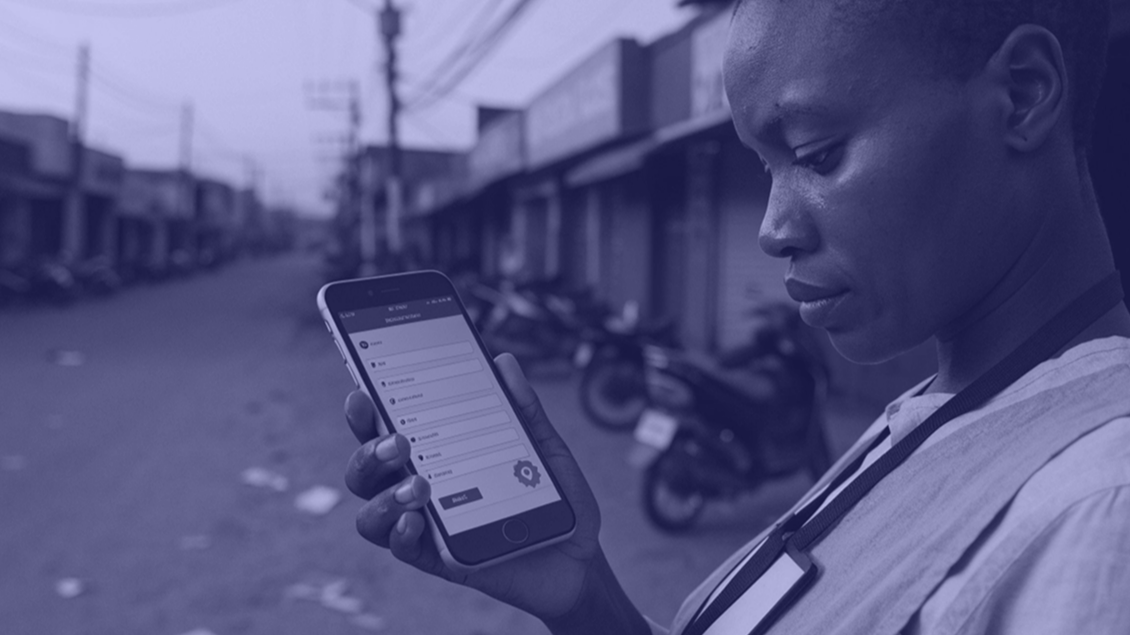
- Field agents used mobile phones or tablets with the WeCollect app
- Every location visited was tagged with GPS coordinates
- Agents answered survey questions and uploaded data in real time (or synced later offline)
- Our system flagged inconsistencies or errors for review
- The result was clean, visual, and verified data, not just rows in a spreadsheet, but points on a map you could act on
For this HIV mapping project, that meant we painted a picture of HIV service delivery across Lagos. We could see where services were concentrated, where clinics were overburdened, and where patients had limited access.

The Human Side of Tech
At the time, many people still assumed data collection had to be manual, slow, and messy. But we believed—and still believe—that technology should handle the grunt work, so people can focus on decisions.
That’s why WeCollect isn’t just an app. It’s a blend of:
- Technology: A platform that guarantees every data point is location-tagged, time-stamped, and verified
- Process: A system that simplifies how teams are trained, deployed, and managed
- People: A network of trusted field agents who know their communities and collect honest, contextual data
This combination is what allowed us to manage multiple live projects at once, even while still early in our journey.
What We Learned (And What You Can Learn Too)
The HIV services mapping project taught us:
- You can’t improve what you can’t see. Without visibility, improvement is just a guess.
- Real data builds trust. Stakeholders believed the results because they could see the maps, photos, and location points.
- Scale is possible. We built for complexity early, and that decision paid off.
We didn’t set out to change how public health projects are managed. We just wanted to solve one visibility problem. But that opened the door to much more.
Looking Forward
Since that first project, WeCollect has helped dozens of organizations, from researchers to governments, collect field data across all 774 LGAs in Nigeria.
We’ve tracked food prices, evaluated public services, and measured campaign impact. But the goal stays the same:
Help organizations see what’s happening on the ground so they can act on it.
If you’re tired of begging people to fill your Google Form… If you need verified answers from real people, in real places… If you want to plan faster, smarter, and more confidently…
You don’t need to see the whole country. You just need to see clearly. That’s what WeCollect delivers.
📩 Do you have an upcoming project or data collection idea? Let’s talk: oreoluwa@wecollect.tech or just fill a data request form: wecollect.tech/request